
Recommended Video
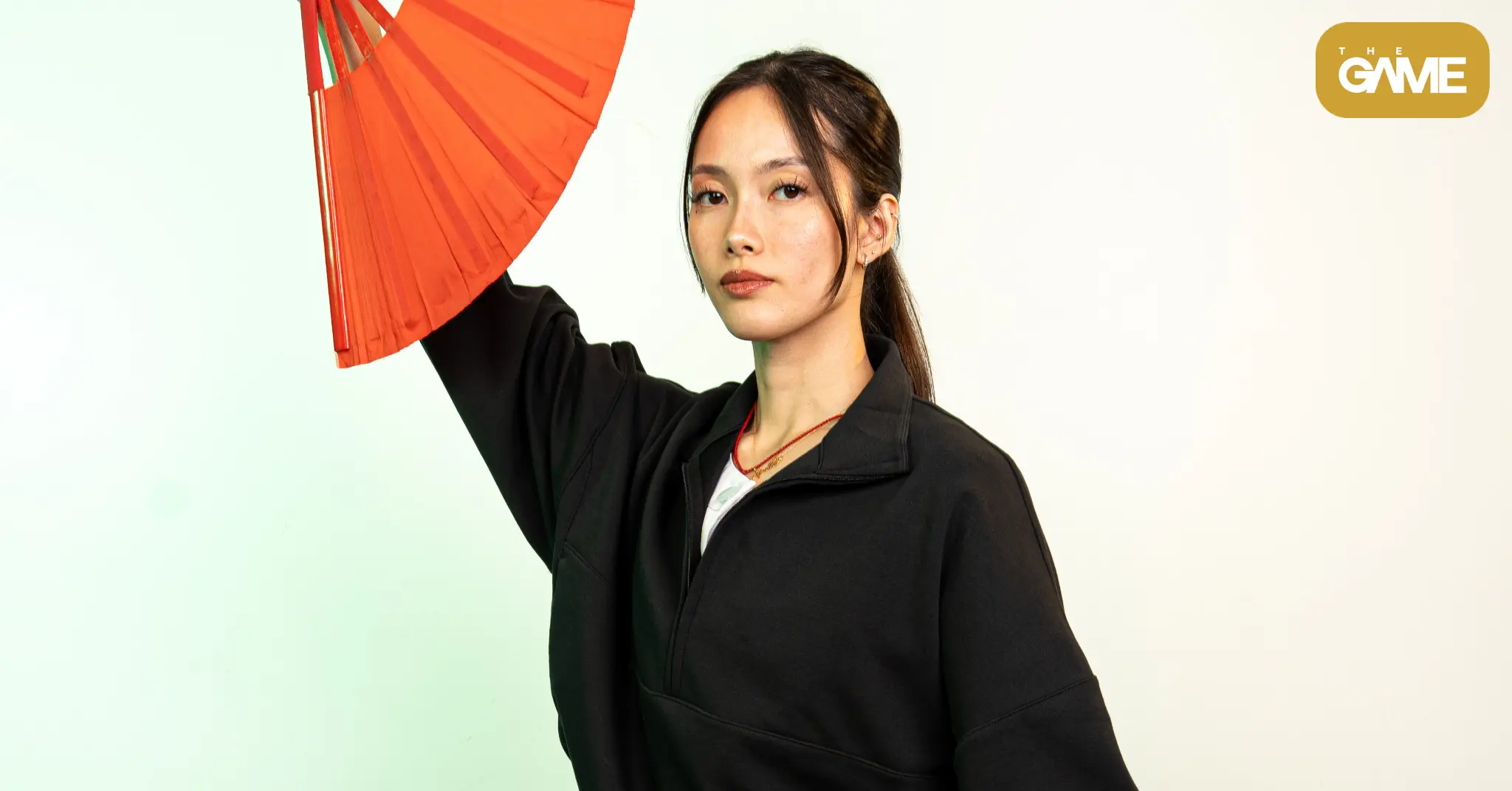
Wushu champion Agatha Wong handles her medical school studies and national team duties as skillfully and gracefully as she performs a Taijiquan move.
Wushu, it’s been said, is all about balance. This is especially true in the talou, or the events featuring individual routines where athletes need to strike different poses all while performing a routine for the judges.
Many practitioners swear that practicing wushu has also given them balance in life, for every stance and every disciplined move requires patience and practice.
All of this must be true, for how else could you explain how Agatha Wong, multi-medaled national wushu athlete, has been able to continue performing her national team duties while studying to become a doctor?
Agatha has reaped wushu honors for the Philippines in the World Championships, World Cup, Asian Games and Southeast Asian Games in a career that began in 2013. Three years ago, she decided to enroll in med school, a move that some thought signaled the end of her days as a national athlete.
Yet since becoming a full-time medicine student, Agatha has continued to collect medals in international competitions, winning golds in the 2023 and 2025 SEA Games and a silver and a bronze in the 2023 and 2025 World Championships, respectively.
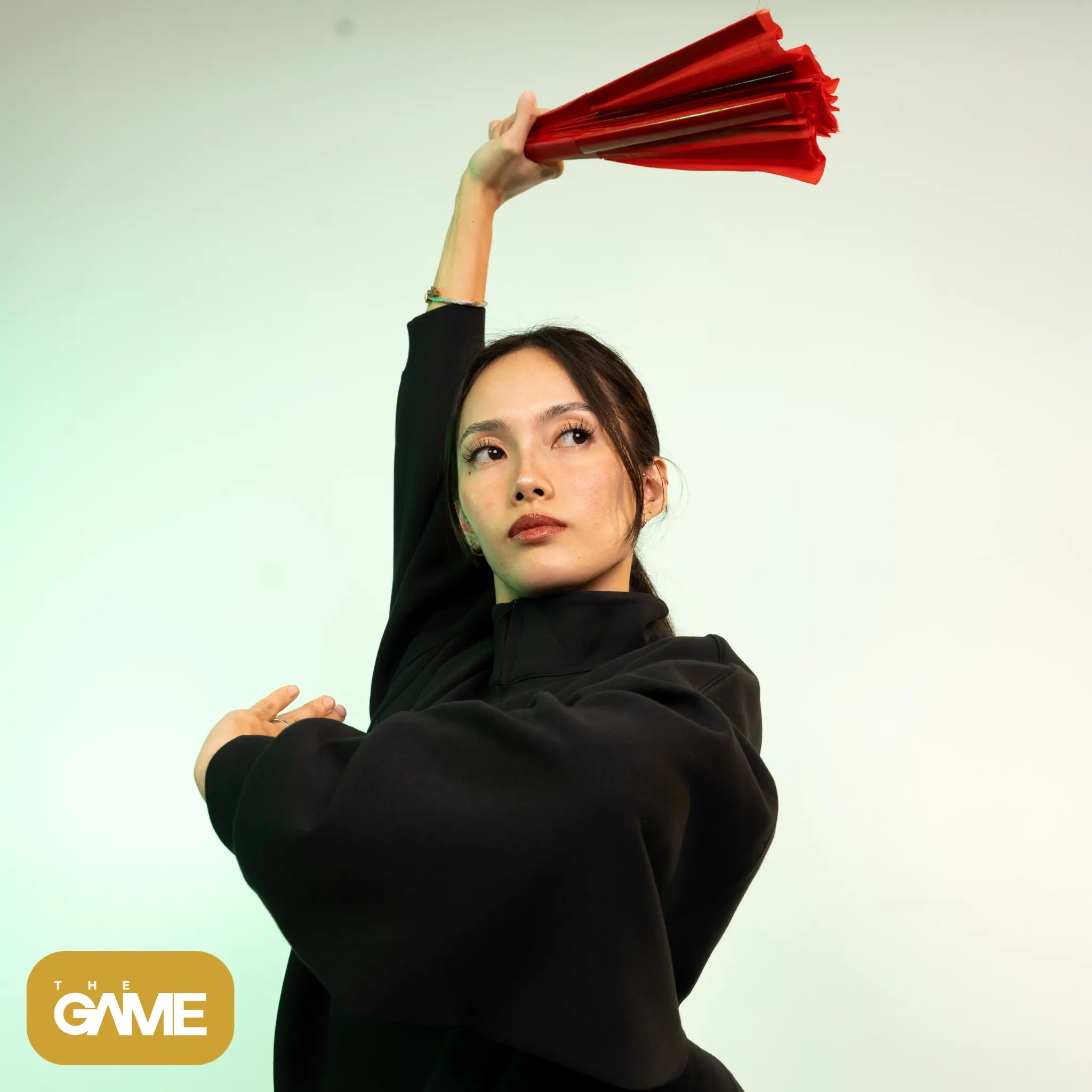
A lesser mortal would have given up one of these pursuits. Yet somehow, Agatha has managed to do both. Time management and discipline are the keys to it, but sometimes she just has to stay in one lane.
“There are definitely days that I can’t balance both,” Agatha told The GAME in an exclusive interview. “So, I always struggle with choosing either my classes over training or training over my classes.
“It’s really just this dynamic where I have to choose my own battles each day. So, for example, today I couldn’t train because I had class at 8 a.m. and then I finished at 3 p.m. and then now I’m here (for the interview). So, I really have to think about if I have a competition like a few months from now, maybe I can skip training on a day or two, but usually I try not to.
“So, it’s really a balancing act.”
The life of a national athlete, in any sport, is demanding. Before Agatha took up medicine, all she did was train.
“I was training Monday to Saturday twice a day in Rizal (Memorial Sports Complex),” she said. “Right now, I train like five, six times a week, but I don’t train twice a day anymore.”
Things can get even tighter when extracurricular events pop up.
“There was one time I went to train in the morning, so it’s like 8, and then I finished at 11 and then I had an exam at 1 p.m. I took that exam, I finished it maybe like 3:30 and then I had to go to an event for Mega, so I went there afterwards. So, if I can squeeze anything in my day, I will squeeze it in.”
‘One of the most difficult sports’
To the untrained eye, wushu might not seem as strenuous as, say, boxing or weightlifting or long-distance running. It’s a misconception that Agatha has had to constantly address. Training for wushu is difficult and takes up stores of energy.
“I’ve done a handful of sports before I started to do wushu full-time. Up until now, when I’m asked, I always say that wushu is one of the hardest sports I’ve ever done,” she explains. “Even if I’ve been competing for a long time and even if I’ve won some competitions, I still find it to be one of the most difficult sports ever.
“When you see someone perform wushu, you think that it’s kind of like, ‘Oh, it’s just a form.’ But there’s a lot of different types of training that goes into just a single form that lasts like one to three minutes.
“We do weightlifting, we do running, we jump a lot. We have to be flexible, at the same time strong, and then we have to have a lot of stamina. You need to balance a lot as a wushu athlete. So just that, just the amount of training that we do, it really doesn’t show on the stage how much you work for it.”
The amount of work Agatha has to put in just to be stay at an elite level as a national athlete forced her to face the realization that she wasn’t going to get straight A’s in med school. But she’s okay with that.
“I give myself a lot of grace because I already accepted the fact that I won’t be a stellar student. Because if I choose to believe that I can get perfect marks on my exam or I can top most of my classmates, and while training in the national team, I’m going to get burned out.
“So, even before I started med school, I already gave myself a little pep talk and set my own standards that as long as I’m passing, as long as I get to study medicine while training, that’s enough for me.”
Agatha still has two years left in med school, during which time she’ll still don the national colors. The next few months alone appear packed.
“So, this year, I was supposed to go to Bulgaria like a few days ago, but they cancelled Team Philippines going because they didn’t want us to fly over the Middle East. So, that was supposed to be my first competition, and then afterwards, I have World Cup in July and then Asian Games in September. And then after that, it depends on my federation if they’re going to sign me up for other competitions.”
Next year looks to be slightly less hectic, but likely emotional as she plans to wrap up her wushu career in front of her countrymen.
“Actually, I’m just going to finish one competition that will be held here in Manila. It’s going to be the 2027 World Championships, and then I think after that, I’m good.”
Until then, Agatha will continue her pursuit of a doctor of medicine title, even as she still has to pick her area of specialization.
“I’m not sure yet what I’m going to specialize in, but I’m sure that I’m not going to pediatrics because I’m not that good with kids.”
Whatever she picks, it’s a sure a bet that Dr. Agatha Wong will approach her practice the way she performs her wushu moves – with the grace of a winner.
Images from Zoe Tapalgo/KLIQ Inc.
Related Stories
