
Let’s look back at five wellness trends that gained popularity in 2025, and look ahead to what 2026 has in store.
As 2025 comes to a close, we’ve seen wellness trends come and go. Some have stuck while others, thankfully, did not last very long (remember when cortisol became public enemy number one? ) This happens every year when wellness trends flood social media. Some are useful but many turn out to be nothing more than noise. But the really good ones shift how people think about their bodies and their long-term health.
In 2025, I found that these five wellness trends actually ended up helping people become more healthy and fit, and at the very least, turned the conversation towards the pursuit of those things.
The Five Wellness Trends That Defined 2025
1. GLP-1 Medications and the Redefinition of Obesity
2025 will be remembered as the year GLP-1 medications fully entered mainstream wellness culture, from across the pond in the western world, all the way here in the Philippines. Prescription drugs such as Ozempic, Wegovy, and Mounjaro was the topic of most weight loss conversations and rightfully so with the seemingly too-good-to-be-true promises they made. Transformation stories, concerns about side effects, ethical debates, and questions around access filled our feeds.
In the real world, usage of these drugs became mainstream. Clinics expanded weight-management services, pharmaceutical supply chains adjusted, and entire industries—from food to fitness—began responding to a population eating less and prioritizing metabolic health.
The most important shift, however, was in the concept of obesity, it becoming increasingly discussed as a chronic medical condition rather than a lack of discipline, structure, or support. Of course, those things still play a part in how someone turns out to be obese but at least these people aren’t just told to simply stop eating and start exercising. This aligns with evolving medical consensus and culminated in a landmark moment late in 2025, when global health authorities formally acknowledged GLP-1 therapy as part of comprehensive obesity care.
That being said: medication alone does not build strength, resilience, or long-term health behaviors. But the trend forced an overdue conversation—one that reframed obesity through a medical and systemic lens rather than one of shame or discipline alone.
2. Strength Training as a Cornerstone of Longevity
Finally!
As someone who has been preaching on the importance of strength training, it’s so gratifying to see it go deeper and deeper into the mainstream. It has been a long time coming and 2025 was the year that firmly established strength training as foundational to health and longevity. Not only for bodybuilding —but for public health.
Because of the rise of longevity studies and as the millennial and Gen-X generations enter middle-age and late adulthood, there has been an increased interest, especially on social media, in longevity. Across age groups, especially among women and adults over 40, resistance training gained traction as a tool for preserving muscle mass, bone density, metabolic health, and independence later in life. Strength was no longer marketed solely for aesthetics, but for function, injury prevention, and length and quality of life.
In gyms, this showed up as renewed interest in barbells, basic movement patterns, and coached sessions rather than endless bro-splits. In research and media, muscle began to be described as a protective organ—one that influences glucose control, hormonal health, and aging itself.
Throughout the year, strength training has been praised as that one thing you can control, that can greatly impact the length and quality of life. It’s simple, scalable, and supported by decades of evidence. In a year crowded with hype, it stood out by being undeniably effective.
3. The Rise of Longevity-Driven Fitness and Wearables
On the subject of longevity, which has been gaining traction in the past half decade, interest has shifted from niche biohacking circles into mainstream wellness in 2025. The language of health evolved away from simple weight loss and aesthetics. People started caring more about VO₂max, recovery, sleep quality, and long-term capacity.
Wearables played a central role in this shift as weighing scales became less important in the grand scheme of health and wellness. Devices from Apple, Whoop, Oura, and others turned invisible health markers into daily feedback loops. Sleep scores, heart-rate variability, step counts, and aerobic fitness metrics became common social media content.
Of course it wasn’t all good. This data-driven approach had both strengths and weaknesses. On the positive side, it nudged people toward better habits—earlier bedtimes, more consistent movement, and awareness of recovery. On the downside, it sometimes encouraged obsession or false precision. Depending on the wearable also, there’s the factor of reliability and the algorithm these devices use to generate data.
Still, the core idea landed: health is cumulative, and what you do most weeks matters more than what you do occasionally. Longevity became less about extreme interventions and more about consistent behaviors sustained over years.
4. Women’s Health and Perimenopause Finally Enter the Spotlight
Another defining shift in 2025 was the overdue attention given to women’s health—particularly perimenopause and midlife transitions. Again, as the millennial and Gen X population eases (gracefully of course) into middle age, these topics once dismissed or ignored became central wellness conversations.
Women spoke openly about hormonal changes, strength training during menopause, bone health, cardiovascular risk, and mental well-being. With the increase in conversation, clinics, platforms, and practitioners began tailoring fitness and nutrition guidance specifically to female physiology rather than adapting male-centric models which admittedly, has dominated the fitness space both commercially, and in research.
This is a welcome trend because cardiovascular disease, osteoporosis, and metabolic disorders disproportionately affect women later in life, yet have historically been under-addressed in fitness and wellness messaging. The 2025 shift helped close that gap.
Of course, gyms and wellness centers took advantage of this, and this is where we have to be cautious in choosing programs. But still, the underlying movement was grounded in education, research, and advocacy. That combination gave this trend staying power beyond social media cycles.
5. Social Fitness and Community as Medicine
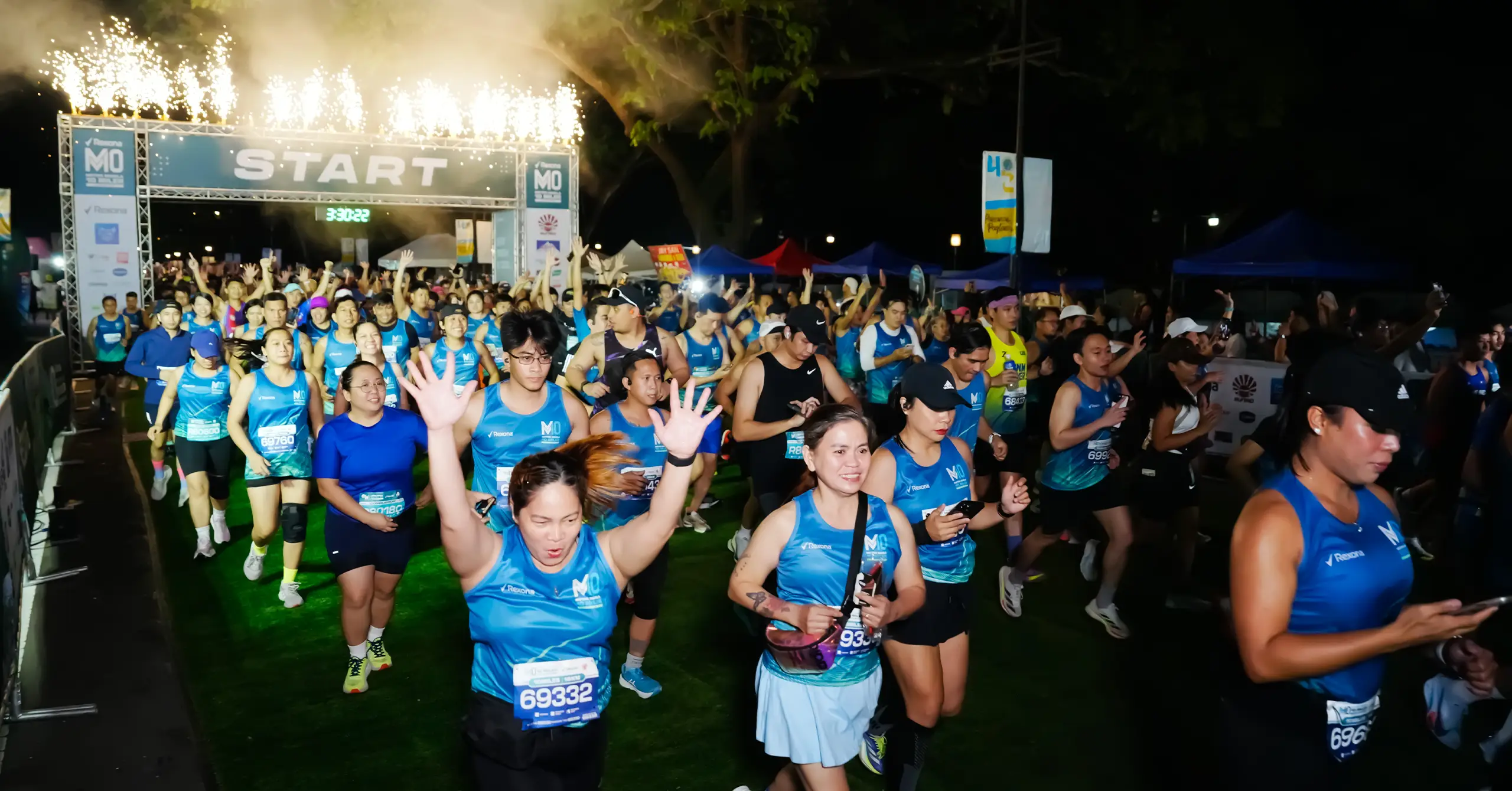
Finally, 2025 saw the rise of social fitness and exercise, far beyond the old wellness trends of running clubs and gym cliques. With the rise of fitness races like HYROX, especially with team relays, fitness became even more of a group activity that went beyond the four walls of a gym.
Running clubs, walking groups, pickleball leagues, recreational sports, and group training surged—not because they were optimal workouts, but because they were sustainable and enjoyable. Social fitness became an antidote to both inactivity and isolation.
You would normally now see online content featuring group runs, team sports, and shared experiences performed exceptionally well. In the really world, participation increased because these activities lowered the psychological barrier to entry. You didn’t need perfect motivation—you just needed to show up.
This trend reframed exercise as a social behavior rather than a solitary task, aligning movement with mental health, accountability, and belonging.
What Will Continue—and What to Watch—in 2026
Several 2025 trends show strong momentum heading into 2026. Strength training as a health essential is now firmly established and will continue to shape programming, public messaging, and policy discussions. GLP-1 medications will remain part of the obesity conversation, with growing emphasis on combining pharmacology with lifestyle systems rather than treating drugs as stand-alone solutions.
Longevity-driven fitness will also persist, especially as wearable data becomes more integrated into coaching, healthcare, and insurance models. Finally, women’s health will continue to expand as research, education, and demand drive more evidence-based services.
These trends are durable because they address real problems with scalable solutions.
Three Wellness Trends to Watch in 2026
1. Health Scoring and Risk Stratification
Expect growth in simplified health scores that combine strength, aerobic fitness, body composition, and lifestyle habits into single, understandable metrics. You’re seeing this already with the Oura ring. These will move beyond executive checkups and into malls, workplaces, and community settings.
2. Medical–Fitness Integration
The gap between healthcare and coaching will narrow. Expect more collaboration between physicians, physical therapists, and strength coaches—particularly for metabolic health, aging populations, and return-to-activity pathways.
3. The simplification of overwhelming data
The conversation will shift from maximizing metrics to building consistency. Programs emphasizing variability, adaptability, and long-term robustness—rather than perfect routines—will gain traction as burnout from hyper-optimization grows.
With all that, the most important lesson from 2025 is this: real wellness trends don’t just go viral—they change how people live. Strength, community, consistency, and systems outperformed hacks and shortcuts.
As we move into 2026, the question is no longer “What’s trending?” but “What actually helps people live better, longer, and stronger lives?”
That is the direction wellness is heading—and the direction worth paying attention to.
Banner Images from RunRio
Related Stories