
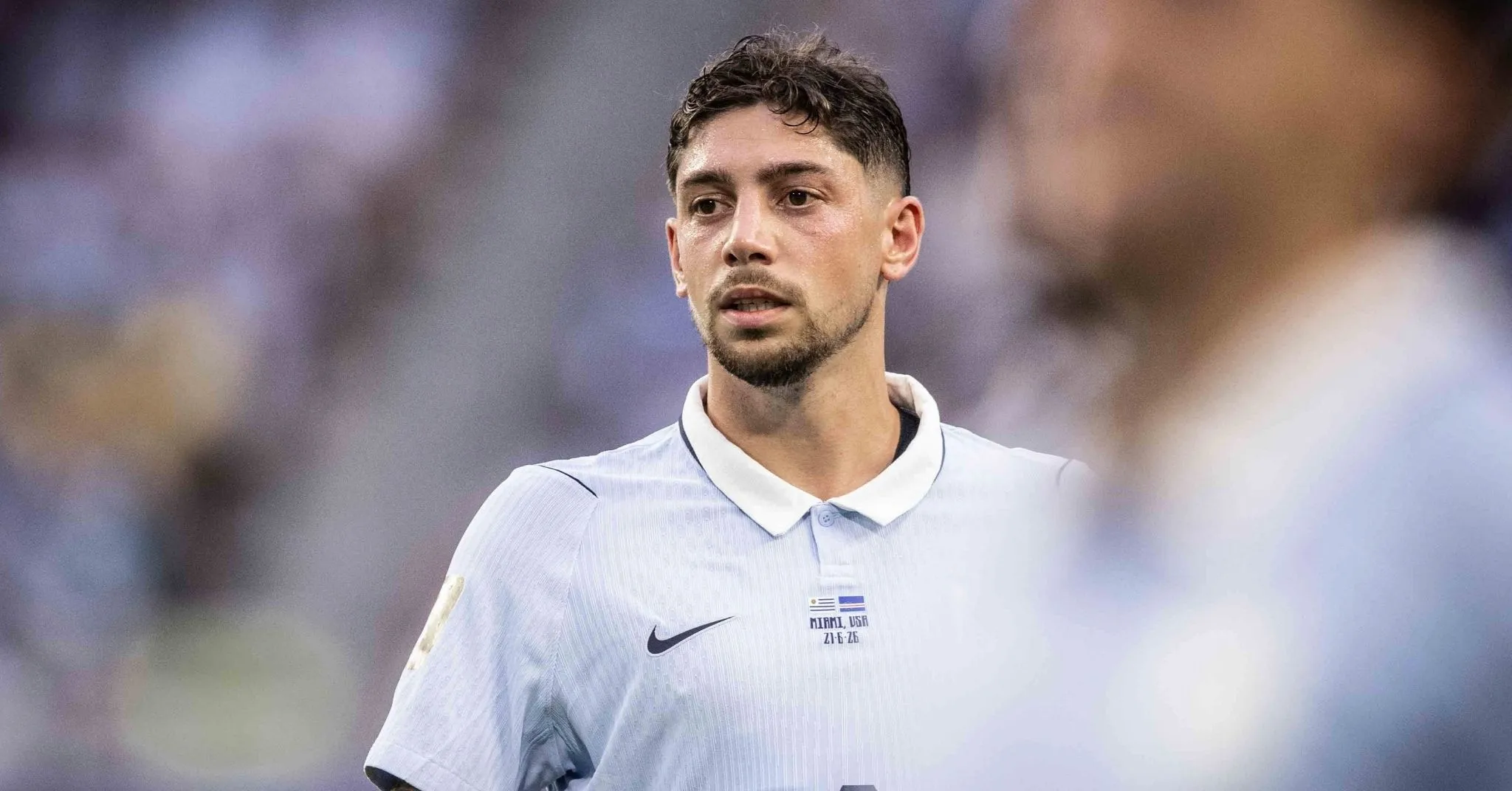
With expectations set before the tournament after impressive club campaigns, these players failed to leave the impact many expected at the FIFA World Cup 2026.
The FIFA World Cup 2026 has been filled with players who have stepped up when their countries needed them most. From breakout stars to established veterans, plenty have elevated their games on football’s biggest stage.
However, not everyone lived up to the expectations they carried into the tournament. Fresh off outstanding club seasons, these players were expected to become difference-makers for their national teams. Instead, whether due to inconsistent performances, poor discipline, or simply failing to influence games, they were unable to deliver the impact many anticipated.
Goalkeeper: Fernando Muslera (Uruguay)
Uruguay’s disappointing group-stage exit was one of the biggest surprises of the tournament, and veteran goalkeeper Fernando Muslera failed to provide the reassuring presence fans have grown accustomed to over the years. While he certainly wasn’t solely responsible for Uruguay’s early elimination, he never came up with the game-changing saves that could have shifted momentum in crucial moments. In addition to that, he made costly mistakes that resulted into goals and in what could be his final World Cup, it ended as a quiet and underwhelming campaign for one of Uruguay’s greatest goalkeepers.
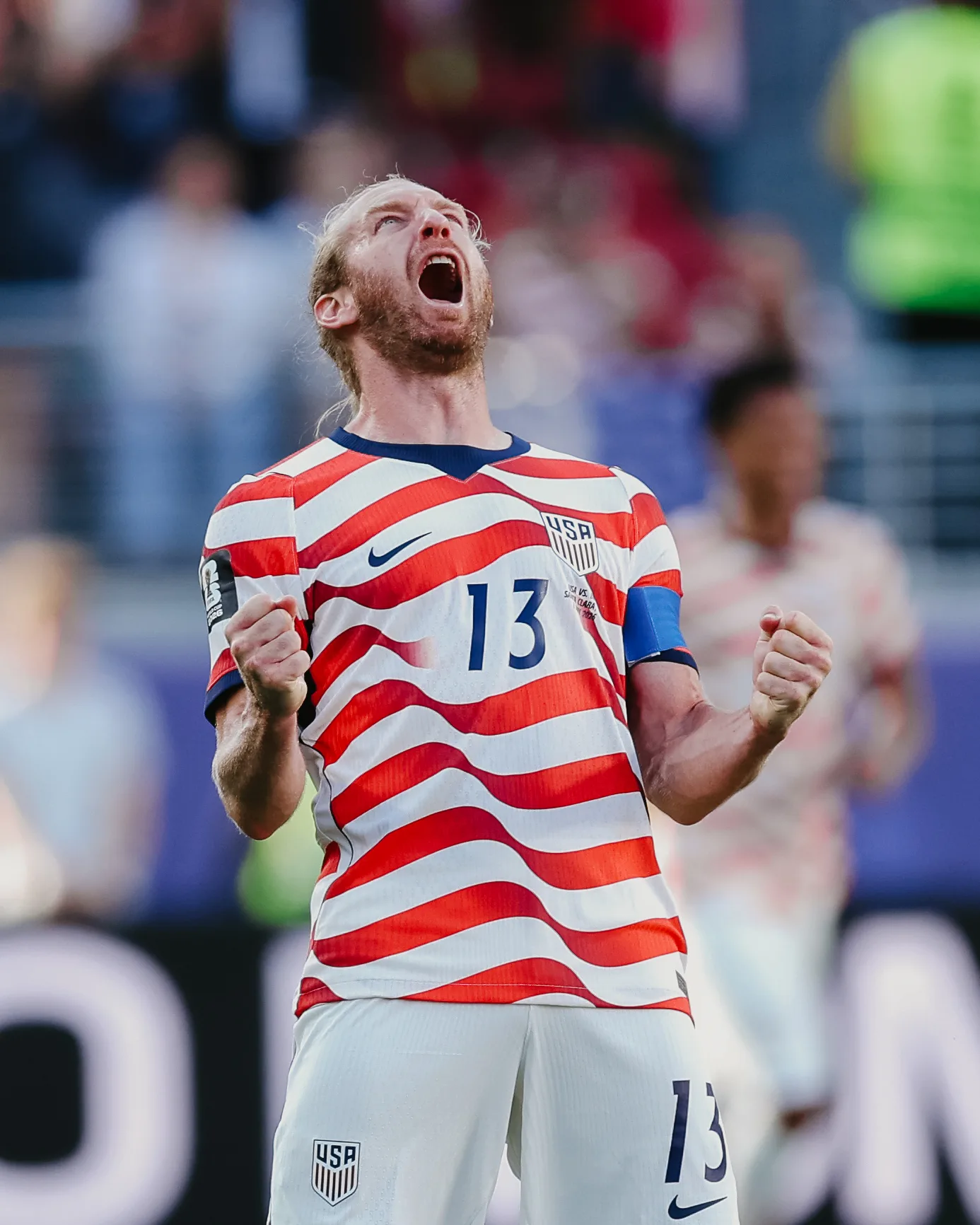
Defense: Gabriel (Brazil), Piero Hincapie (Ecuador), Djed Spence (England), and Tim Ream (United States)
Brazil once again fell short of expectations, and Gabriel never quite looked like the commanding defender who anchored Arsenal’s backline throughout the club season. Despite entering the tournament as one of Brazil’s defensive leaders, he struggled to stamp his authority during crucial moments as the Seleção crashed out earlier than expected.
Hincapie, meanwhile, had an equally frustrating tournament. The Ecuadorian defender’s aggressive style often worked against him, with lapses in discipline and questionable decisions disrupting Ecuador’s defensive stability. For a player regarded as one of South America’s brightest young defenders, it was far from the tournament many expected.
England’s right-back situation took an unexpected turn after Reece James suffered yet another injury, opening the door for Djed Spence to feature more than many had predicted. While the opportunity itself was unexpected, Spence was unable to fully capitalize. England’s right flank lacked creativity and consistency on both ends of the pitch, with James’ absence becoming more evident as the tournament progressed. Spence failed to make the role his own.
Tim Ream was expected to be the calming presence at the heart of the United States’ defense, bringing his experience and leadership into a young squad. Instead, the veteran center-back struggled to keep up with the pace and intensity of the tournament, with the Americans looking vulnerable defensively in key moments. As the U.S. bowed out in the Round of 16 after a heavy defeat to Belgium, Ream was unable to provide the stability many expected from one of the team’s most experienced players.
Midfield: Vitinha, Bruno Fernandes (Portugal), and Federico Valverde (Uruguay)
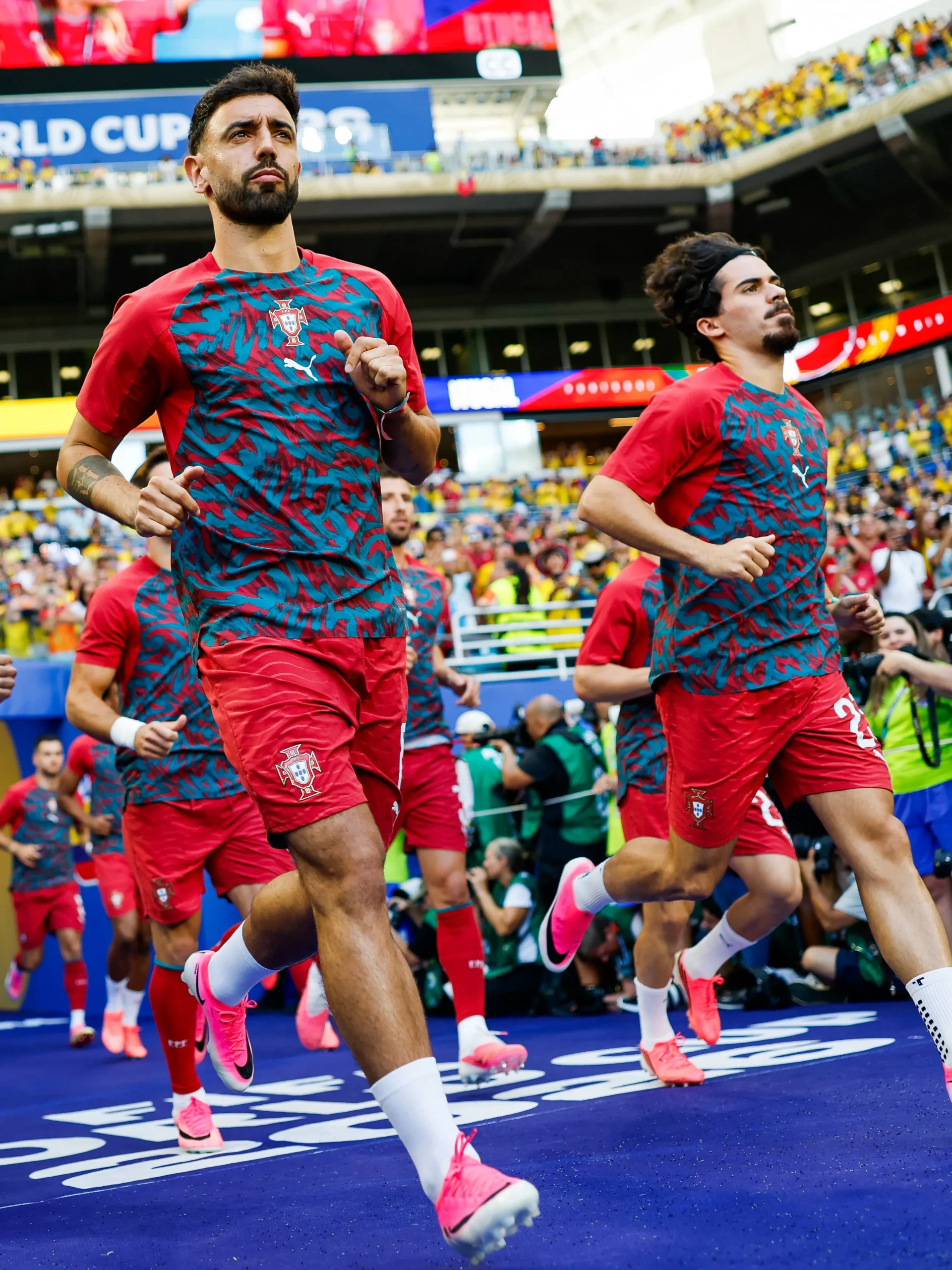
Portugal’s midfield entered the World Cup as arguably one of the strongest in the competition. With Vitinha coming off back-to-back Champions League titles with Paris Saint-Germain and Bruno Fernandes fresh from another outstanding Premier League campaign, expectations were understandably sky-high.
Instead, neither midfielder managed to dictate matches the way they regularly do at club level. Vitinha struggled to control the tempo and influence possession alongside João Neves, while Fernandes was unable to produce the creativity and decisive moments Portugal relied on throughout qualifying. As Portugal bowed out earlier than expected, their star midfield never truly reached the level many believed it could.
Valverde’s tournament was equally disappointing as Uruguay endured another group-stage exit. Widely regarded as one of the world’s most complete midfielders, the Real Madrid star never managed to take over games or inspire his side when they needed him most. Much like the rest of Uruguay’s squad, he finished the tournament without leaving much of a lasting impression.
Attack: Arda Guler (Turkey), Jeremy Doku (Belgium), and Julian Alvarez (Argentina)
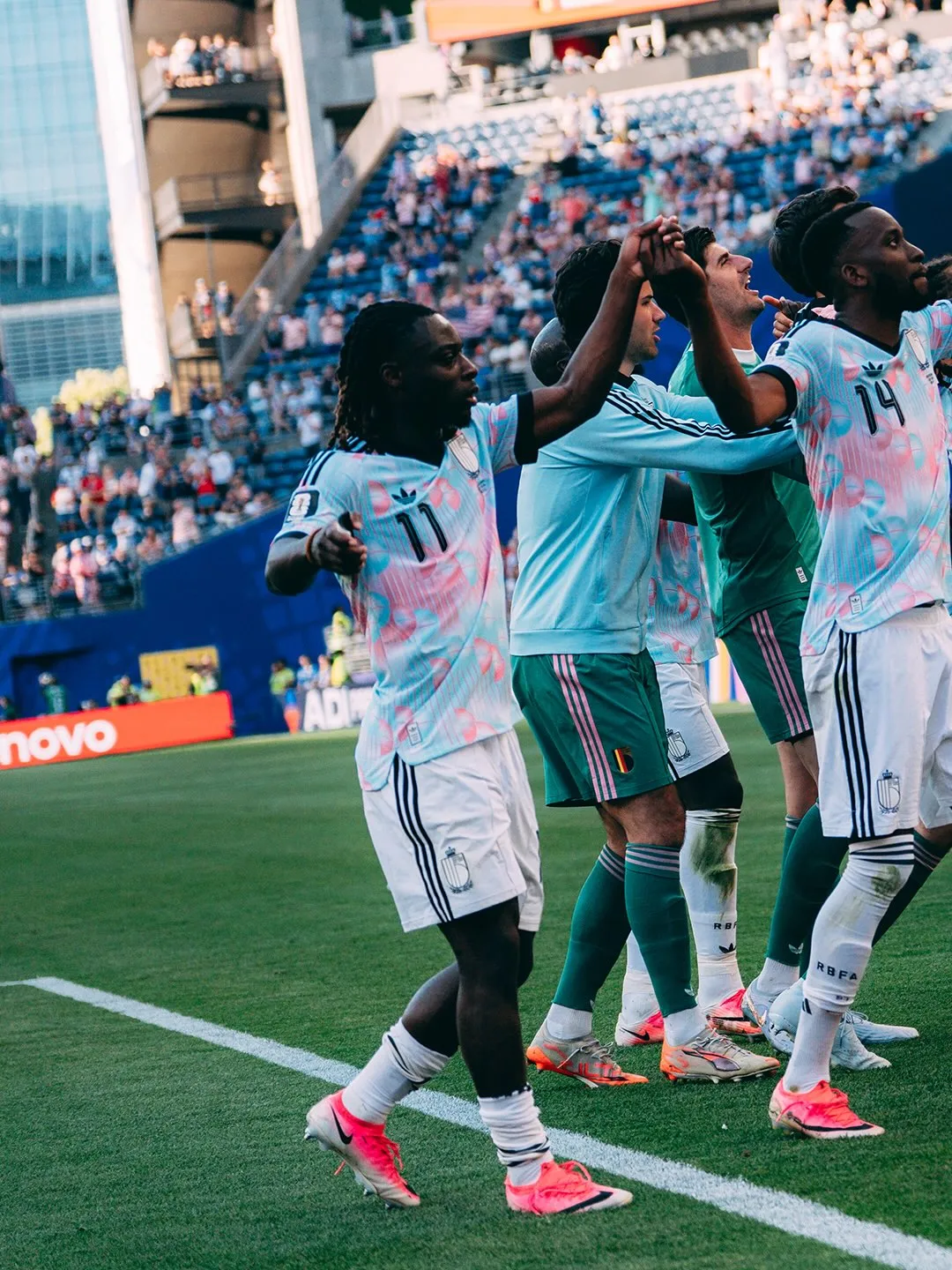
Arda Guler was expected to shine and lead Turkey as one of the tournament’s dark-horse, but it was a disastrous campaign as they were eliminated just after two games. While Jeremy Doku also struggled to replicate the form with Manchester City that made him one of the biggest attacking threats heading into the tournament.
Leading the attack in the middle is Julian Alvarez. Argentina continued to lean heavily on Lionel Messi for goals, with the gap between Messi and the team’s next highest scorer remaining significant. Alvarez contributed with his work rate and movement, but the clinical finishing many expected from one of the world’s top forwards never fully materialized despite scoring a worldie to lift the team over Switzerland. If the other attackers keep on ghosting, it leaves Argentina’s attack feeling overly dependent on their 39-year-old captain.
Banner Images from Selección Uruguaya on Instagram.
Frequently Asked Questions
Uruguay’s Fernando Muslera drew the most criticism among goalkeepers, failing to produce the momentum-shifting saves fans expected and making costly errors that contributed to Uruguay’s group-stage exit, closing out what could be his final World Cup on a quiet note.
Arsenal defender Gabriel never replicated his commanding club form for Brazil, failing to stamp his authority in key moments as one of the Seleção’s defensive leaders, and the backline lacked its usual anchor as Brazil were eliminated earlier than expected.
No. Despite Vitinha’s Champions League pedigree with Paris Saint-Germain and Bruno Fernandes’ strong Premier League form, neither midfielder controlled tempo or created enough decisive chances for Portugal, and the team was eliminated earlier than their pre-tournament midfield strength suggested they would be.
Julian Alvarez contributed with work rate and movement and scored a decisive goal to lift Argentina over Switzerland, but the clinical finishing many expected from him never fully materialized, leaving Argentina’s attack still heavily reliant on 39-year-old captain Lionel Messi for goals.
Standouts who underperformed include Uruguay goalkeeper Fernando Muslera, defenders Gabriel and Piero Hincapie, midfielders Vitinha and Federico Valverde, and attackers Arda Guler and Jeremy Doku, all of whom fell short of the form that made them stars for their clubs this season.
RELATED STORIES