
Recommended Video
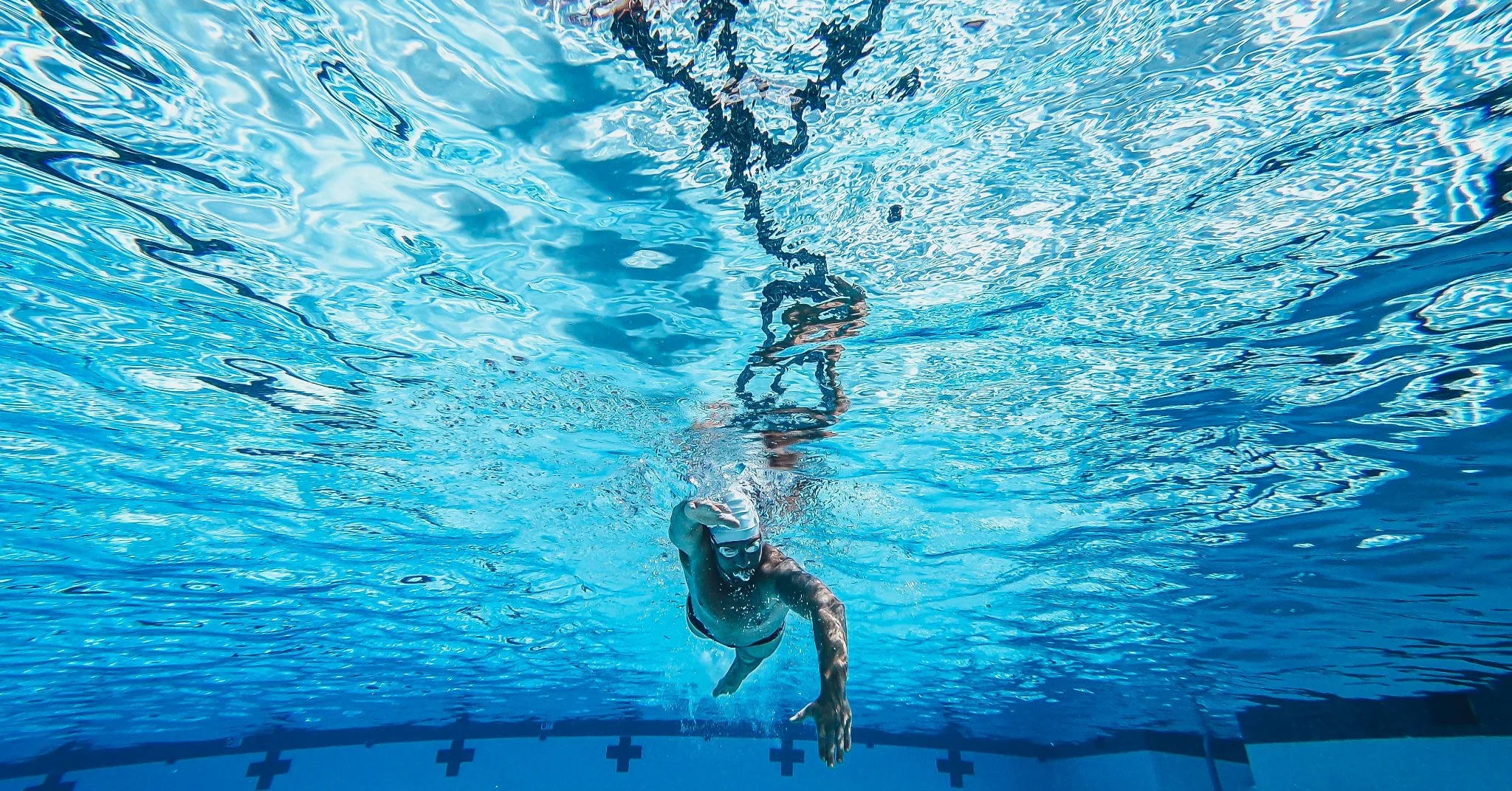
In ideal conditions, aqua training is simply about using the natural resistance of water to strengthen the body.
Following the death of Ateneo’s Rene Baterbonia and Divine Adili due to drowning, one question that has emerged is why the Blue Eagles need to train by the water in the first place.
According to the university, the tragedy occurred during a conditioning exercise by the shoreline in Dipaculao, Aurora, where the Blue Eagles held their annual offseason camp under coach Tab Baldwin.
“The team was engaged in a conditioning exercise in knee-deep water near the shoreline when they were suddenly engulfed by massive waves and a powerful rip current,” Ateneo’s statement released on Friday, June 11, read.
“While most of the players managed to fight their way back to safety, Rene and Divine were pulled away. We state categorically, to protect the dignity of our fallen players, that no weights of any kind were used during this exercise.”
But again, the question is why do athletes need to train by the water?
Aqua Training: How Water Resistance Works for Athletes
Unconventional as it is, water-based training — formally called aqua training — isn’t entirely a foreign concept. One prominent example is NBA superstar Victor Wembanyama, who engaged in NAVY Seal-esque exercises during the offseason. The reigning Defensive Player of the Year was seen walking underwater while holding weights on both hands.
According to strength and conditioning coach Chappy Callanta, the method is meant to be a form of resistance training.
“Theoretically, whenever I program aqua training…water kasi is a form of resistance, meaning it’s heavier than air. Whenever you walk or run in water, it’s more difficult so it gives your body resistance whenever you do your movements,” Callanta told The GAME in a phone interview.
“It gives your body resistance whenever you do your movements. So it’s similar to when you lift weights and you’re trying to move weights. It’s similar to water, but it’s a lot lighter, which means that you can move more free and you can move with resistance,” Callanta, who has worked with the DLSU Green Archers, UP Fighting Maroons, and Petro Gazz Angels, added.
In theory, aqua training is meant to make the body “lighter” when moving inland, as it has gotten used to the natural resistance of performing activities around water.
“So whenever I program, it’s in that idea. You’re trying to make them go through running movements, you’re trying to make them go through sports-specific movements that gives you the concept of floating movements,” he said.
“The idea being that if you get used or you get fast in water, then you will be able to transfer it inland.”
Other coaches, Callanta said, also use aqua training for rehabilitation, as the natural resistance of water can benefit the body in terms of recovery too.
“When an athlete is injured, since it’s easier to jump in water or for example, run in water. The forces on the limbs and joints are a lot less compared to running on land,” he said. “And that gives them a safer way to load the muscles and joints without overloading them too much while they are recovering from an injury.”
Meant to be in a ‘Controlled Environment’
Callanta has since moved on from aqua training, pointing out the accessibility of pools and growing trends in fitness. In his case, the method was no longer producing results, which made it necessary for him to innovate in training younger athletes.
“Back when I was still training Alab Pilipinas, we had access to a pool and we traveled a lot. So that means I had to control the load and tension of the body. I chose aqua training so it’s really circumstantial,” Callanta, referring to his time in the ASEAN Basketball League (ABL), explained.
“It depends on the situation and I saw that with my experience as well with college sports and athletes. I wasn’t getting the same results that I was getting before, so okay, maybe we can try something new.”
But if there is anything Callanta wants to emphasize, it’s that aqua training isn’t meant to pose risks in the first place. Ideally, it’s conducted in a controlled area, where even pools are inspected for safety hazards.
Being a long-time S&C coach, Callanta stressed that part of the job is ensuring athletes’ safety, even with the need to conduct grueling training sessions.
“Make them go through the struggles of training but at the same time, let it be a safe environment. I always go into training assessing the risks, and if the risks outweigh the reward, I wouldn’t do it. It’s as simple as that,” he said.
“When it comes to design, for example, in cities, then the pool has to be safe. It cannot be a slippery pool; it has to be a pool that has enough traction on the ground that you can walk around or run around. If the pool will allow players to wear footwear, then that’s even better.”
Ultimately, Callanta had this to say in light of the recent tragedy: “I wouldn’t do it in open water; there’s too many risks involved, and I’ve never done it in open water as well.
So it’s important when you’re training these athletes — safety is also important.”
Banner images from Kindel Media on Pexels.
Frequently Asked Questions
Aqua training uses the natural resistance of water to strengthen the body. Because water is denser than air, movement through it creates resistance similar to weight training, but with less load on the joints. Athletes use it for conditioning, strength building, and sports-specific movement training.
Athletes use aqua training primarily for resistance conditioning and rehabilitation. The resistance of water forces the body to work harder during movement, which can improve speed and strength on land. For injured athletes, water reduces the load on joints, allowing muscles to recover safely without overloading the body.
Aqua training is safe when conducted in a controlled, supervised environment — typically a pool that meets specific safety requirements. S&C coach Chappy Callanta advises against aqua training in open water due to unpredictable conditions. Pools should have adequate traction and be regularly assessed for hazards before sessions begin.
Rene Baterbonia and Divine Adili, members of the Ateneo Blue Eagles basketball team, drowned during an offseason conditioning camp in Dipaculao, Aurora. The team was exercising in knee-deep water near the shoreline when a rip current and large waves engulfed the group during a session under coach Tab Baldwin.
When athletes are injured, water reduces the compressive forces on limbs and joints compared to land-based exercise. This allows coaches to load muscles and maintain conditioning without aggravating the injury. S&C coach Chappy Callanta notes that running or jumping in water is a standard method for safe athletic recovery.