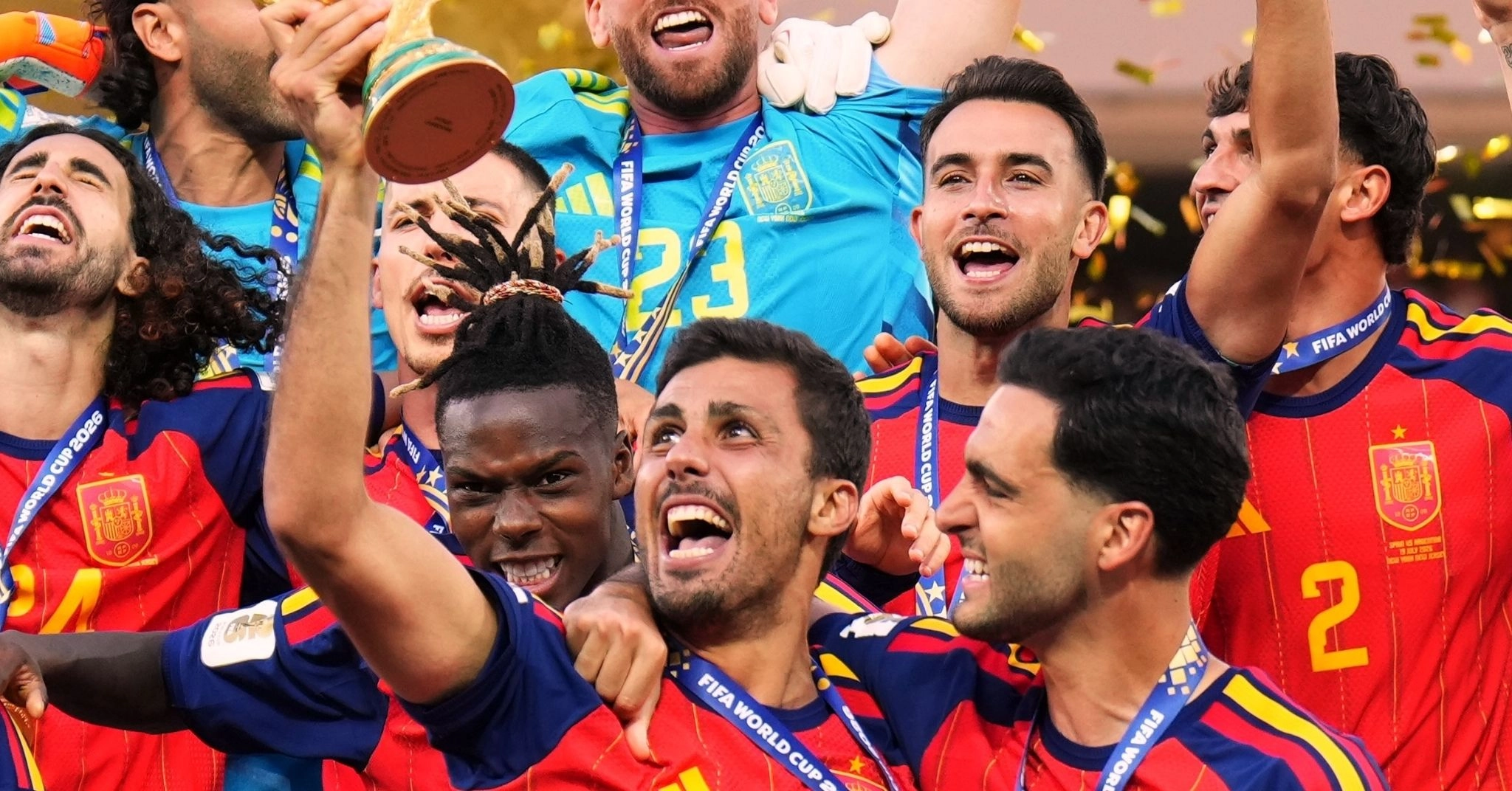
The World Cup win of Spain is just one of the many things why they’re dominating football.
The recently concluded FIFA World Cup 2026 ended with Spain lifting the biggest prize in football. They dominated the tournament with a defensive masterclass, and every game felt like they had complete control from the opening whistle. Every area of the pitch was locked down with a well-disciplined backline that was difficult to break through, a composed midfield capable of winning the ball back while dictating possession, and an attack lethal enough to threaten any defense. It all ended with Spain lifting football’s biggest prize and adding a second star to their crest.
But that’s only part of the bigger picture. While everyone was focused on the World Cup, Spain has quietly taken over football. Across different levels of the game, their influence is hard to ignore. The philosophies they have developed continue to shape how the world’s best teams play. Their players, coaches, clubs, and national teams are all thriving, making Spain arguably the biggest footballing powerhouse today.
Dominating The Men’s Field
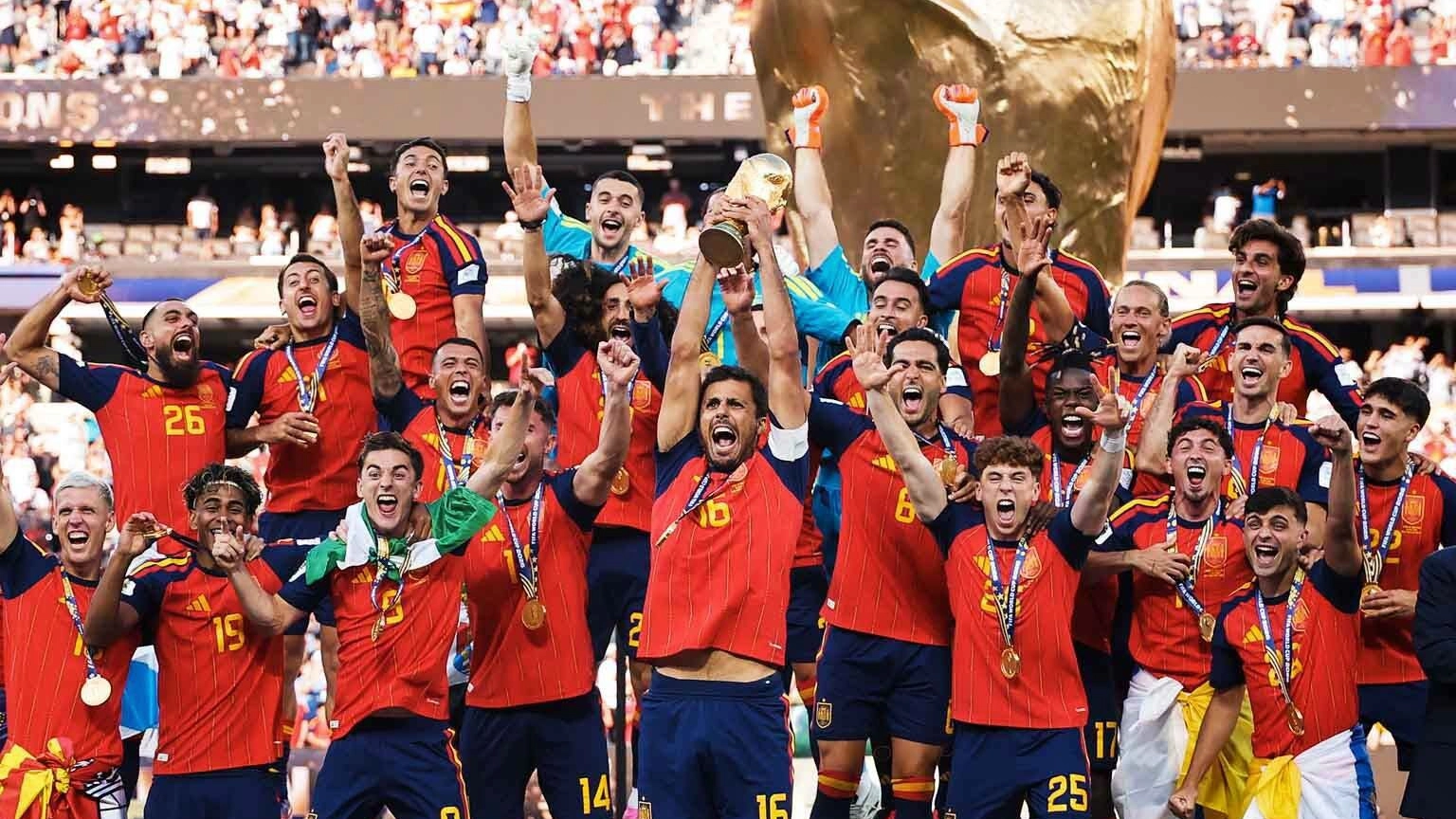
Spain’s World Cup run is just one reason why they’re on top. Before lifting the trophy, La Roja had already put together an impressive unbeaten run before capping it off with football’s biggest prize. It wasn’t a surprising outcome. They have become one of the most complete teams in the world, capable of controlling games both in and out of possession. Conceding just one goal throughout the tournament is an achievement that perfectly reflects their stability and discipline.
By 2026, Spain had already won UEFA Euro 2024 before adding the FIFA World Cup to their trophy cabinet. The current generation is beginning to mirror what La Roja accomplished from 2008 to 2012. Back then, the midfield trio of Xavi, Andres Iniesta, Sergio Busquets, alongside Xabi Alonso and David Silva, defined an era of the ever influential Tiki-Taka style. While the current generation has its own leader in Ballon d’Or winner Rodri, who has won nearly every major trophy available and remains the heartbeat of Spain’s midfield.
Other standout talents include Lamine Yamal, another product of Barcelona’s famed La Masia academy and already a two-time Young Player of the Year. Another Barcelona standout Pau Cubarsi – this year’s World Cup Young Player of the Year – is another youngster that will be pivotal to La Roja’s future. The country’s depth is equally impressive. Spain also enters this era as the reigning Olympic men’s football gold medalists. The excellence extends well beyond one senior squad.
Also The Women’s Field
Spain’s dominance doesn’t stop with the men’s game. The women’s side has become just as successful, proving that the country’s footballing philosophy produces results across every level. In recent years, La Roja Femenina has emerged as one of the strongest national teams in the world, winning major trophies while consistently producing technically gifted players capable of controlling matches in the same fashion as the men’s side as they’re also the reigning FIFA Women’s World Cup champions.
Behind those achievements is a development system that continues to produce elite talent. Clubs like Barcelona have set the standard in women’s football, with their academy producing players who have become the backbone of the national team. Their dominance at club level has translated seamlessly onto the international stage, creating a cycle where success breeds even more success. The club is also the current holders of the Women’s Champions League.
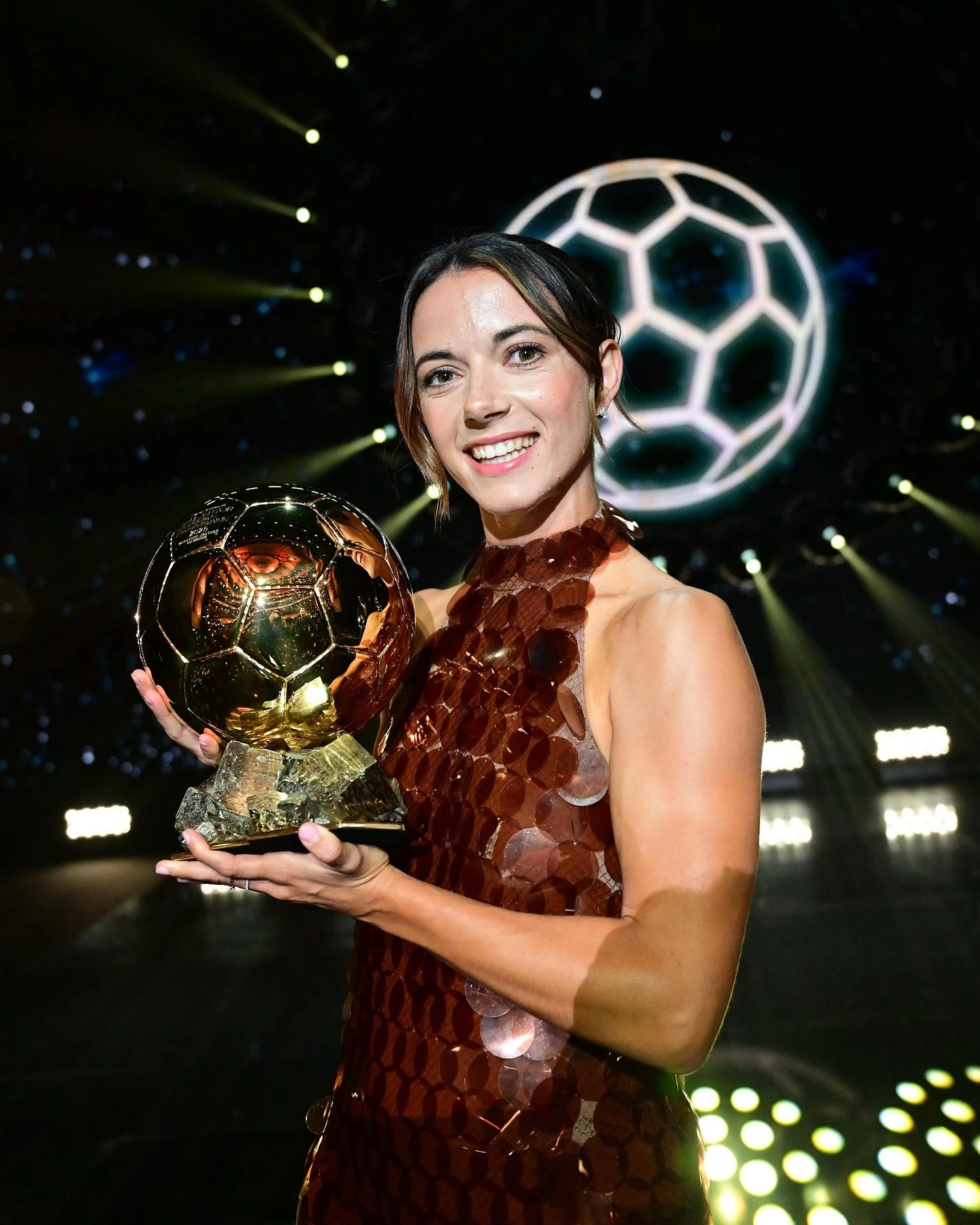
Leading that generation is Aitana Bonmati, the reigning Ballon d’Or winner and one of the best players in the world today.
Influential On The Touchline
Luis de la Fuente has taken this generation of Spanish football to even greater heights. Ever since taking over in 2022, La Roja has looked completely different. Spain has once again become the benchmark for international football after years of disappointing exits following their golden era from 2008 to 2012.
The Spanish managers’ influence isn’t limited to the national team.
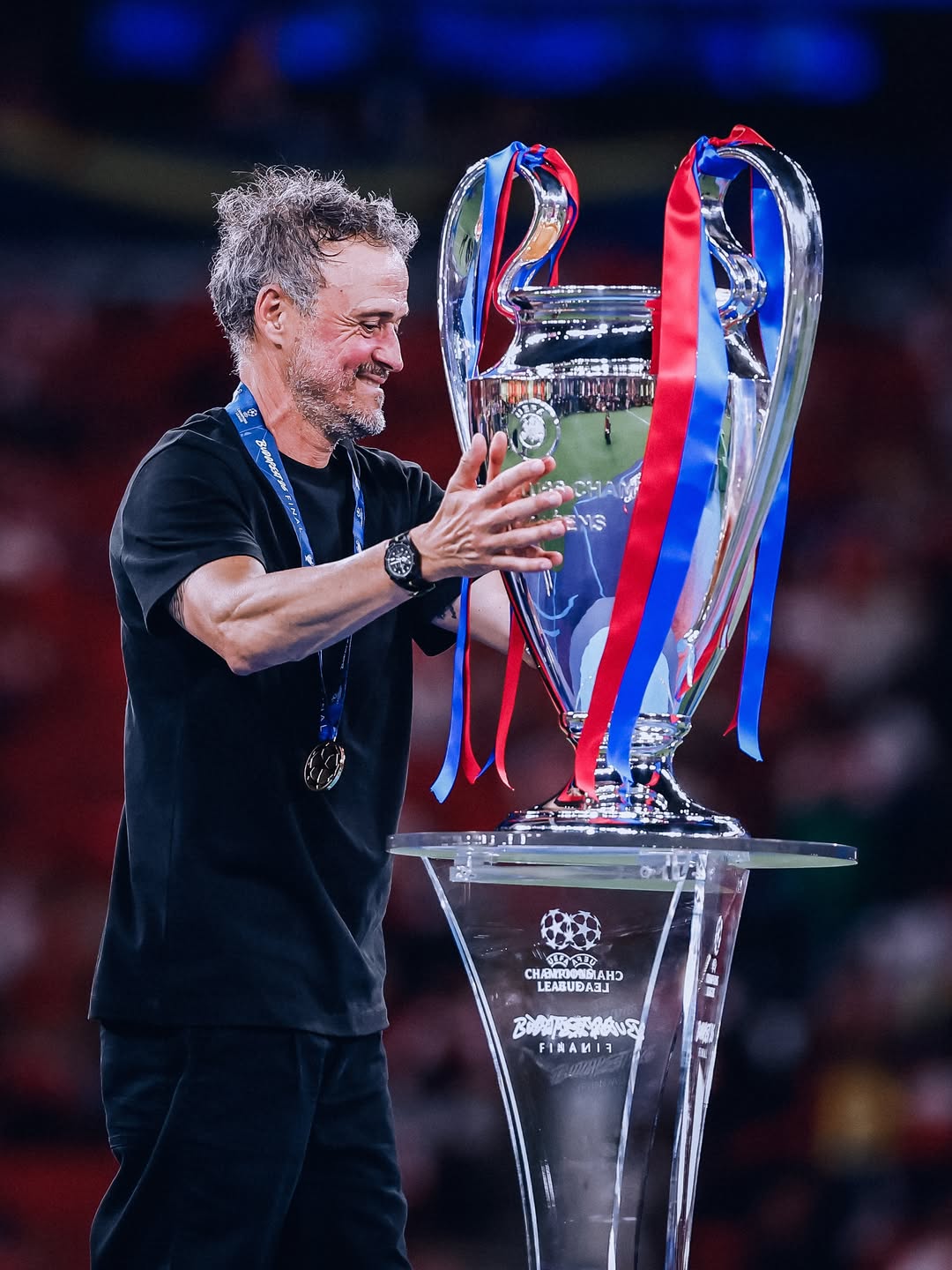
At club level, managers continue to set the standard across Europe. Back-to-back UEFA Champions League winners Paris Saint-Germain are led by Luis Enrique, whose side has become one of the continent’s most dominant teams. During their run, PSG defeated some of Europe’s biggest clubs, including Real Madrid, Bayern Munich, Chelsea, Arsenal, Liverpool, and Inter Milan. The list doesn’t stop there.
Mikel Arteta has turned Arsenal into Premier League champions, while one of the greatest managers of all time Pep Guardiola influenced modern football during his stint with Manchester City, a club that he transformed into one of Europe’s most successful sides in the last decade.
Incoming Chelsea boss Xabi Alonso also established himself as one of Europe’s brightest managers after transforming Bayer Leverkusen into Bundesliga champions while being unbeaten before making the move to Stamford Bridge. Meanwhile, Unai Emery has elevated Aston Villa from a mid-table side into regular contenders for European football. This influence didn’t happen overnight.
Whether they prefer possession-heavy football or a more direct approach, many of Spain’s top managers share the same tactical and technical philosophies that have made the Spanish brand of football so influential. The legacy of Tiki-Taka has evolved rather than disappeared, allowing Spanish coaches to adapt while continuing to shape how modern football is played.
More Than A Golden Generation
It would be easy to label this as another golden generation, much like the legendary Spanish side that ruled world football between 2008 and 2012 as what Spain is experiencing now feels different. What they have built is a system capable of continuously producing elite footballers, world-class coaches, and ideas that continue to influence the sport around the world. That is why their dominance feels sustainable rather than temporary. It kept producing talents at any level in any area of football.
Every generation introduces new stars without abandoning the identity that has defined Spanish football for decades. Young players are developed with the same technical foundations, coaches continue to evolve tactically, and clubs remain committed to a style of football built on intelligence and control, while other sides and nations are forced to master their strategies to counter or build around what the Spaniards have established around the sport.
Winning the FIFA World Cup 2026 is the latest proof of that. It was another reminder that Spain isn’t simply keeping up with modern football, they’re setting the standard for it, and they will be doing it for a very long time.
Banner Images from Selección Española Masculina de Fútbol.
Frequently Asked Questions
Yes, Spain won the FIFA World Cup 2026, conceding just one goal throughout the tournament while adding the trophy to their UEFA Euro 2024 title and Olympic gold medal in men’s football.
Rodri, the reigning Ballon d’Or winner, leads Spain’s midfield, alongside young talents Lamine Yamal and Pau Cubarsí, both La Masia products who have already earned individual World Cup and Young Player honors.
Yes, Spain’s women’s team is the reigning FIFA Women’s World Cup champion, led by Aitana Bonmatí, the reigning Ballon d’Or winner, with Barcelona’s academy system feeding much of the national team’s talent pipeline.
Luis Enrique leads back-to-back Champions League winners Paris Saint-Germain, Mikel Arteta has won the Premier League with Arsenal, and Pep Guardiola transformed Manchester City into one of Europe’s most successful clubs over the past decade.
Spain’s earlier golden era was defined by Xavi, Andrés Iniesta, and Sergio Busquets under the Tiki-Taka style, while the current generation, led by Rodri and shaped by coach Luis de la Fuente since 2022, has adapted that identity while building sustained depth across club, national, and coaching levels.
RELATED STORIES