
Recommended Video
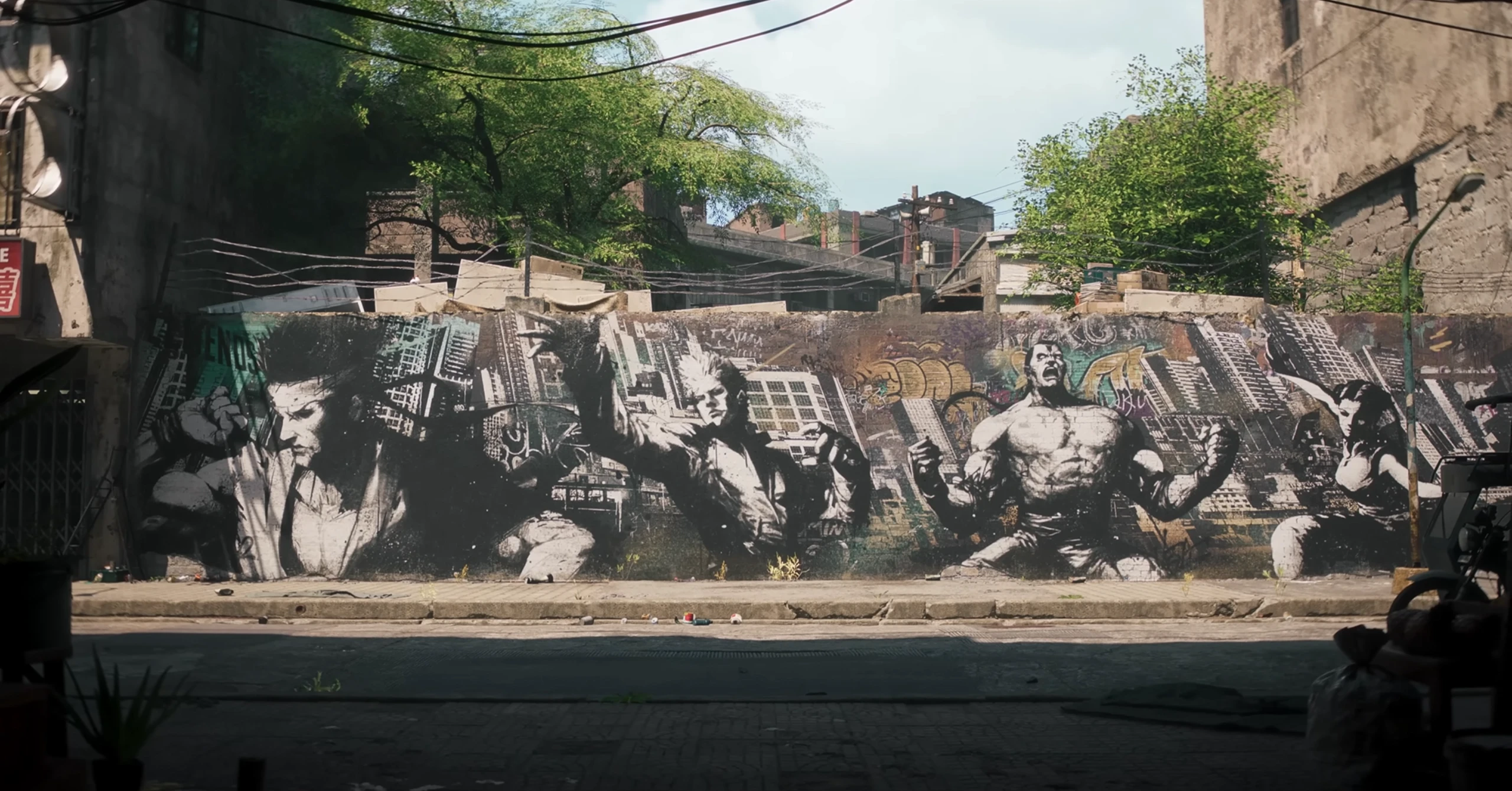
If you squint a little, you could even say you’ve seen these streets before.
Virtua Fighter Crossroads has been lighting up the world of gaming ever since they debuted their massive Summer Games Fest 2026 trailer. We got glimpses into their expansive story mode, updated fighting mechanics, and were introduced to both new and familiar characters.
Everything in the Virtua Fighters Crossroads trailer is impressive, but some fans have noticed something familiar in their new world. The story takes place in the city of Vilasapara, located on the island of Nusalibre somewhere in Southeast Asia. The developers in RGG Studios are being coy about it, but it’s easy to see which Southeast Asian city they drew inspiration from.
From the dirty streets to the old, worn down buildings, it’s clear that Vilasapara has all the hallmarks of good ol’ Manila. Specifically for the Chinatown part of the city, it bears a strong resemblance to our very own Binondo. We see tricycles and motorcycles hauling people and cargo all over the city. Rickety stalls and densely packed stores sell anything and everything, from cheap clothes to simple refreshments.
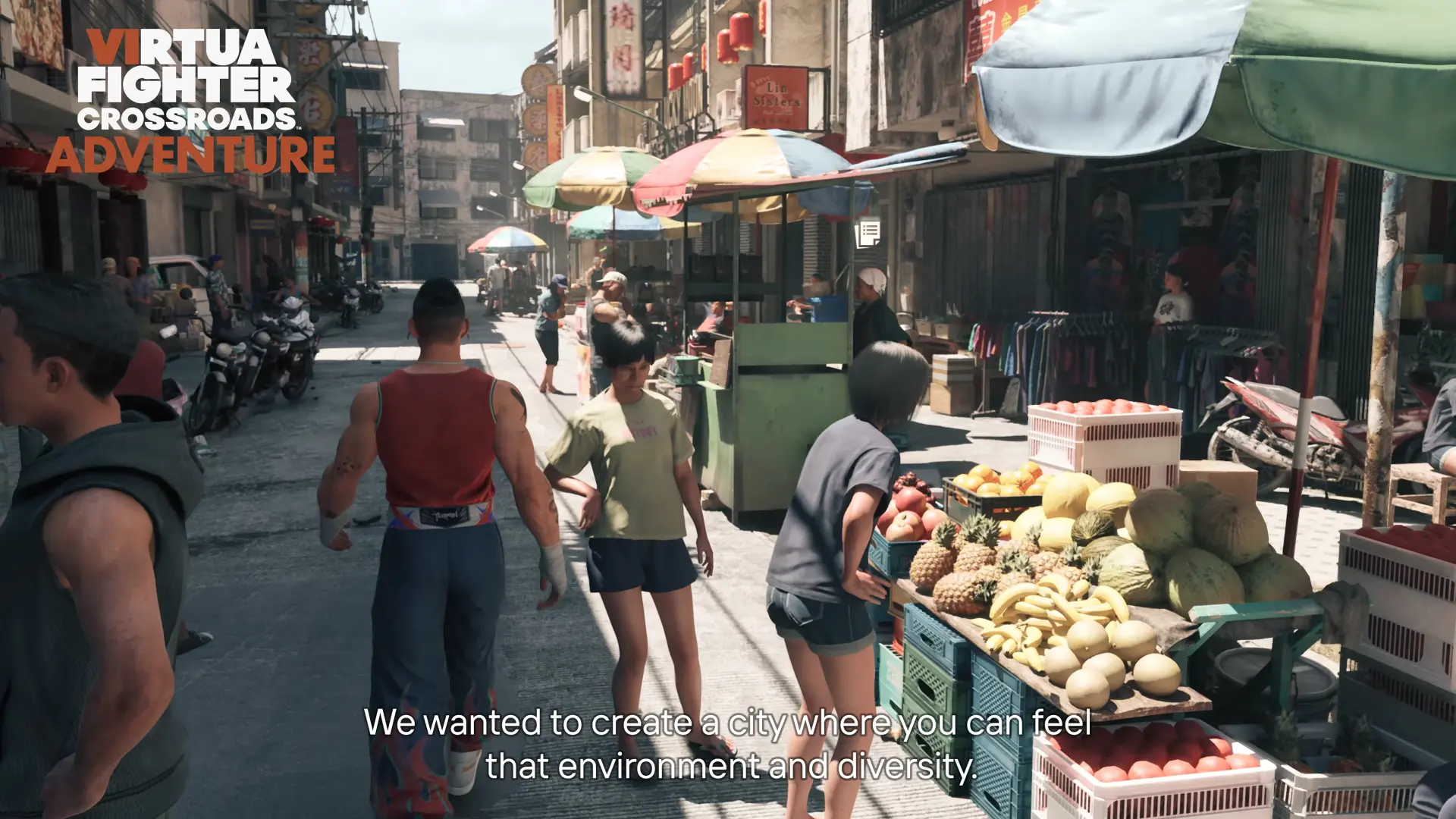
Of course, the Philippines isn’t the only place in Southeast Asia to have all these features. You could even say that Vilasapara is a combination of many such downtrodden third-world cities in the region. But there’s enough hints in the world building of Virtua Fighter Crossroads to make it feel close to home.
The vaguely Spanish sounding names of Vilasapara and Nusalibre point at it being once a Spanish colony. Their website even teases a mysterious figure known as the Bakunawa Killer, who you’ll undoubtedly run into in your adventure. Sure, other Southeast Asian cities probably had a hand in the making of Vilasapara but it’s rather clear what their primary source was.
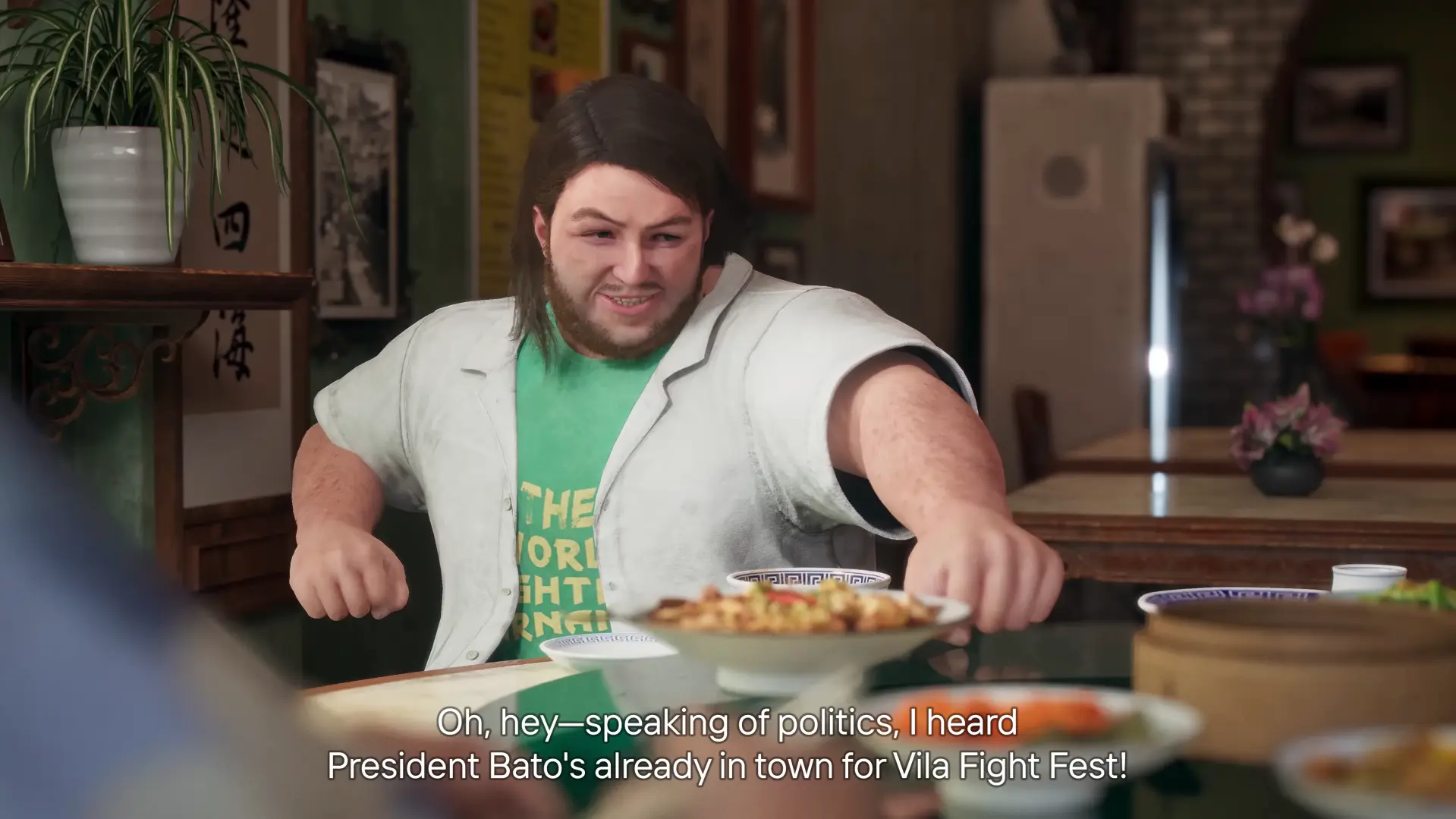
All in all, it’s cool to see the Philippines be the main influence of the setting in a AAA video game, even if that setting is described as a den of scum and villainy. Virtua Fighter Crossroads is still a ways away but we can’t wait to see what else they have in store in the other areas of Vilasapara.
Images from SEGA.
Frequently Asked Questions
Vilasapara, the fictional Southeast Asian city in Virtua Fighter Crossroads, draws its primary visual and cultural inspiration from Manila, Philippines — specifically the Chinatown district of Binondo. Elements like tricycles, densely packed market stalls, and worn-down urban architecture are consistent with Manila’s streetscape. The city’s name and lore also reference Philippine colonial and mythological history.
Vilasapara is a fictional city located on the island of Nusalibre, a Southeast Asian setting created by RGG Studios for Virtua Fighter Crossroads. The game’s story mode is set largely within this city, which serves as the backdrop for its expanded narrative content.
The Bakunawa Killer is a mysterious figure teased on the official Virtua Fighter Crossroads website. Bakunawa is a serpent deity from Philippine mythology — a giant sea snake believed to swallow the moon — making its appearance in Crossroads another marker of the game’s Filipino cultural references.
Virtua Fighter Crossroads is developed by RGG Studios, the team behind the Yakuza and Like a Dragon series. The game was announced at Summer Games Fest 2026 and features an expanded story mode, updated fighting mechanics, and both new and returning characters from the Virtua Fighter franchise.
Virtua Fighter Crossroads is not explicitly set in the Philippines — its setting, Vilasapara on the island of Nusalibre, is entirely fictional. However, the city’s visual design, cultural references, Spanish colonial naming conventions, and mythological allusions point strongly to Manila and the Philippines as the primary real-world inspiration.